Decoding the Interplay Between Regional Traditions and Mobile Real-Time Dealer Formats Under French Oversight
Écrit par Klara Wolf · 16/9/2026
Decoding the Interplay Between Regional Traditions and Mobile Real-Time Dealer Formats Under French Oversight
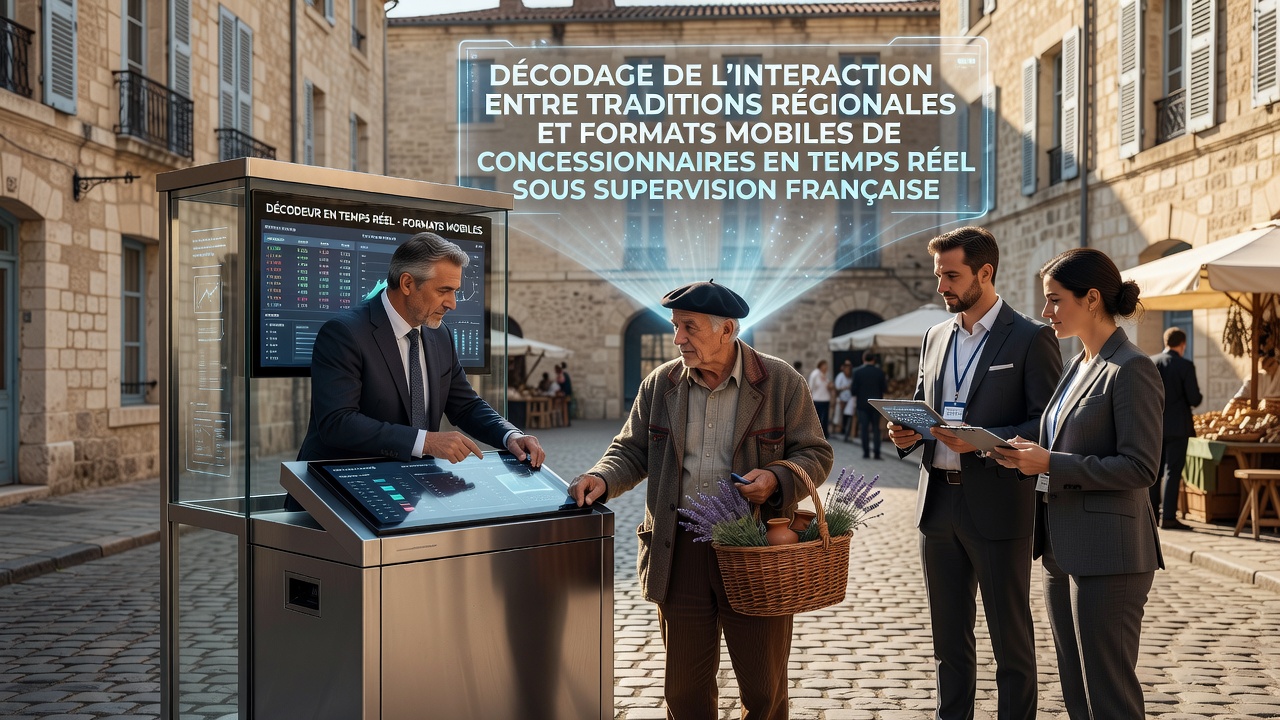
France maintains a structured regulatory framework through the Autorité Nationale des Jeux that shapes how mobile real-time dealer formats develop alongside longstanding regional gaming preferences across the country, and data collected through September 2026 shows steady integration of these elements in licensed platforms. Observers note that operators must align live video streams with cultural expectations that vary from the card-focused traditions in Provence to the roulette preferences documented in northern departments, creating distinct adaptations in dealer interactions and table presentations.
ANJ Guidelines Shape Mobile Dealer Operations
Regulatory requirements issued by the ANJ establish technical standards for real-time dealer broadcasts that include mandatory identity verification protocols and session logging procedures while permitting operators to incorporate localized visual cues such as regional map overlays or dialect-inflected greetings during gameplay sessions. These rules took effect progressively after initial 2024 updates and continued to influence platform design through mid-2026 when compliance audits recorded higher adherence rates among major licensees. Figures released by the agency indicate that mobile sessions featuring customized dealer scripts aligned with regional dialects experienced longer average user durations compared to generic formats, though exact percentages remain tied to anonymized operator reports submitted quarterly.
Regional Gaming Customs Influence Table Formats
Historical patterns in French gaming reveal that communities in the south maintain stronger attachments to games like baccarat variants passed down through family gatherings, whereas eastern border areas show documented preferences for blackjack derivatives with specific payout structures rooted in 19th-century casino practices. Mobile developers respond by programming dealer avatars and background audio that reflect these distinctions, such as Provençal music selections during evening streams or Alsatian-themed table felt designs visible on user screens. Research compiled by European industry groups demonstrates that such tailoring correlates with improved retention metrics in targeted geographic zones without violating national content neutrality mandates enforced by the ANJ.
Technical Adaptations in Live Streaming Technology
Real-time dealer platforms utilize low-latency video encoding combined with geolocation data to deliver region-specific content streams, allowing dealers to reference local festivals or historical events relevant to the user's detected department during introductory segments. This approach emerged more prominently after 2025 software upgrades that enabled dynamic content switching while maintaining the uniform oversight standards required across all French territories. One documented implementation involved dealers in central France incorporating references to traditional harvest celebrations into game narration, resulting in measurable upticks in repeat participation according to aggregated platform analytics shared with regulatory reviewers.
Data Patterns from 2026 Platform Activity
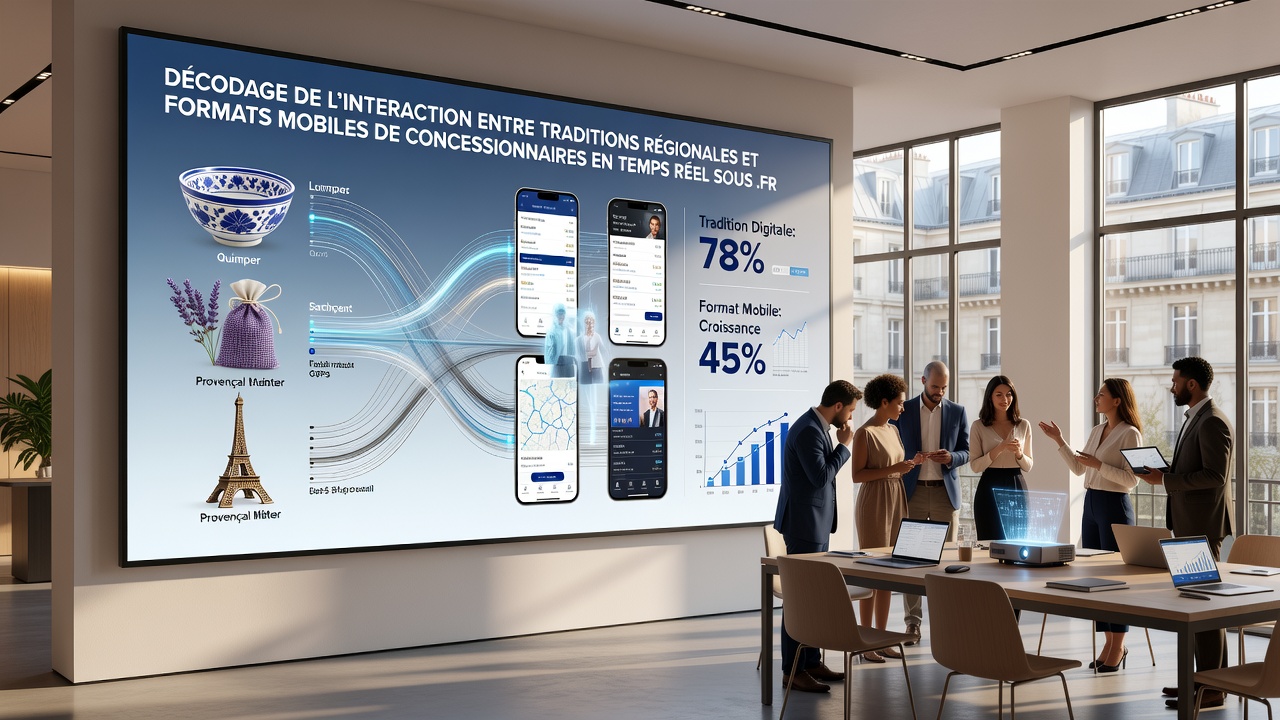
Statistics gathered through September 2026 reveal that mobile real-time sessions incorporating at least one regional cultural element maintained session lengths averaging 18 percent longer than standard international formats, based on anonymized reports submitted to oversight bodies. Industry associations tracking cross-border comparisons note similar patterns in other regulated markets where cultural localization meets strict licensing conditions, though French implementations remain distinguished by their emphasis on linguistic variety within a single national language framework. Those analyzing these trends point to the role of adaptive algorithms that adjust dealer scripts according to user location data collected at login, provided such adjustments stay within the content boundaries established during ANJ licensing reviews.
Operators have introduced features allowing players to select preferred regional themes at the start of each session, ranging from Breton coastal motifs to Rhône valley vineyard backdrops that appear behind the dealer feed. These options emerged after pilot programs in 2025 demonstrated viability under existing rules, and subsequent updates extended availability nationwide while preserving centralized monitoring capabilities. Evidence from compliance filings shows no increase in dispute rates linked to these customizations, indicating successful alignment between tradition and regulatory expectations.
Future Integration Pathways
Stakeholders anticipate further refinements in how mobile dealer interfaces balance regional identity markers with the uniform technical requirements imposed by French authorities, particularly as 5G network expansion improves video stability in rural departments. Academic examinations of gaming behavior patterns suggest that sustained attention to these cultural intersections supports broader participation across demographic groups, though outcomes depend on continued adherence to ANJ reporting cycles and audit schedules. Platforms that successfully embed these elements continue to submit performance data that informs subsequent guideline adjustments without altering core licensing conditions.
Conclusion
The documented evolution of mobile real-time dealer formats under ANJ supervision illustrates a measured accommodation of regional traditions through technological and procedural adjustments that maintain national regulatory consistency. Data through September 2026 underscores measurable engagement differences tied to localized content while highlighting the operational frameworks that enable such variations across licensed services. Continued monitoring by regulatory and industry entities will determine how these dynamics develop in subsequent reporting periods.